
A time
A day-only ticket leaves more fills unverifiable. I will say so.

Yard tanks
Updated 2026-11-23
A yard fuel audit matches bulk tank tickets to the machines and trucks you can locate, separate from card swipes.
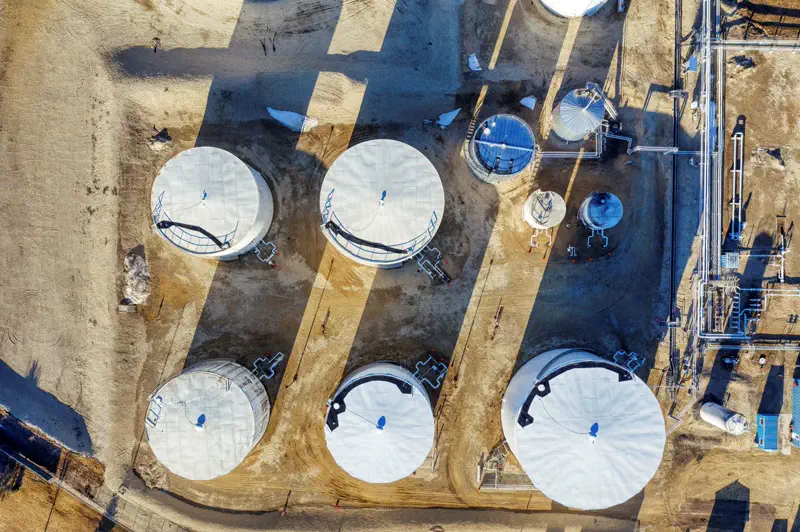
Bulk tanks and card swipes live in the same week on a lot of fleets. They need different proof. A card swipe is a merchant, a time, a keyed unit, and a price. A yard ticket is gallons that left a tank you own, often with a unit number someone wrote by hand. Treating those two files as one pile is how a wet-hose story and a pump swipe bury each other.
AxleLens offers a yard fuel audit for that second file. It sits inside the same fuel audit you already see on this site. I do not install a yard pump. I do not sell a tank monitor. I read the tickets you already keep and the locators you already pay for, then I hand you a list.
If you searched yard audit looking for a trailer check or a walk of parked equipment, that is not this page. This is fuel. Gallons that left a yard tank, and whether they met a machine you can locate. Delivery vans, field trucks, construction iron, and municipal units all fit that shape. The shop floor changes. The question does not.
Construction shops already feel this split. Construction fleets run yard tanks and card swipes in one week. Municipal shops do too, often with a shared tank and several departments writing in the same book. A last-mile contractor with a yard pump and a retail card has the same two files. I keep them apart on purpose.
The job is not a physical dip of every tank. The job is a match. A ticket says gallons left. A locator says where a machine was. When those two agree, the fill can rest. When they do not, a person looks. When the records cannot decide, the line stays unverifiable. That is the same three-way split the method uses on card fuel.
When you have yard tickets, I line them up with the machines you can locate. That sentence is the whole audit. A ticket without a time is a weak ticket. A ticket with a unit that is not in the locator file is a mapping problem. A ticket with a unit the locator can place, at a time that fits, is a candidate for verified.
I do not need a perfect ticket book. I need a book you already keep: date, approximate time, gallons, tank or pump id if you have one, and the unit or operator someone wrote down. Paper, a spreadsheet, or a yard-pump export all work. I will say what the book cannot support instead of inventing a clean total.
Example only. Names and figures changed. Tuesday 06:20, west yard tank, 38 gallons, unit 1847. Samsara put excavator 1847 inside the yard fence at 06:18. That line can be verified if the rest of the week is consistent. It is not a speech about the operator.
Wet-hosing is the yard version of gallons that left and did not arrive. A hose comes off a bulk tank. The gallons leave your inventory. No machine you can locate was close enough to take them. That is a review, with the time and the tank on the line. It is not a rumor in the shop.
I will not call that theft by myself. I will not write a name into a driver file. I will show the ticket, the locator gap, and one action. Receipts if you have them. A walk to the ticket book. A look at whether another unit, a rented machine, or a contractor truck could have taken the fuel. Diesel that never reached a truck is the card-side cousin of this pile. The proof is different. The habit of keeping it apart is the same.
Example only. Names changed. Ticket at 18:40, 42 gallons from the west tank, written to unit 1847. GPS put 1847 at the south gate, not at the tank. No other company machine was in range. Action: Marcus T. pulls the ticket book and the locator for that minute. That is a review. It is not a finished case.
Unit numbers change. The card does not always hear about it. The yard book often does not hear about it either. Spring iron comes out of the barn with last year's number still stenciled on the door. A seasonal crew keys the pickup they drove in March. A rented excavator sits on a paper ticket as 2204 because that was the last number someone remembered.
I do not wait for a clean asset list. I ask for the list you have, including the seasonal changes, and I map what I can. A ticket that names a unit I cannot place stays unverifiable until someone tells me what that number is now. That is a finding for the shop, not a hole I paper over.
Delivery, field service, and municipal yards see the same drift. A van number moves after a wrap. A parks truck is loaned to public works for a storm week. The ticket still says the old unit. Dispatch owns that habit on the card side. The yard book needs an owner too. Name that person before week one. The what to bring list is the short version of this conversation.
Every yard fill gets one of three labels. Verified: a machine you can locate was there, and the gallons can sit on that unit. Needs review: the gallons left a tank and did not meet a machine you can place, or the ticket and the locator disagree in a way a person has to finish. Cannot be verified: the ticket has no time, the unit is unknown, the locator is dark, or a tank sensor you hoped would help is jumping.
Mixing those three is how a handwritten unit becomes an accusation, and how a real miss gets buried in a weekly total that looks fine. I will not mark an unclear ticket clean to make Monday pretty. I will not drop it into theft because the book is messy. The fuel reconciliation page is the buyer-side version of this split on card fuel. Yard tickets get the same honesty.
The review pile is short on purpose. If every ticket needs a person, the rule is wrong or the book is too thin. I would rather tell you the book cannot support an audit than train people to ignore a long list. Ignoring the list is how a wet-hose habit becomes normal.
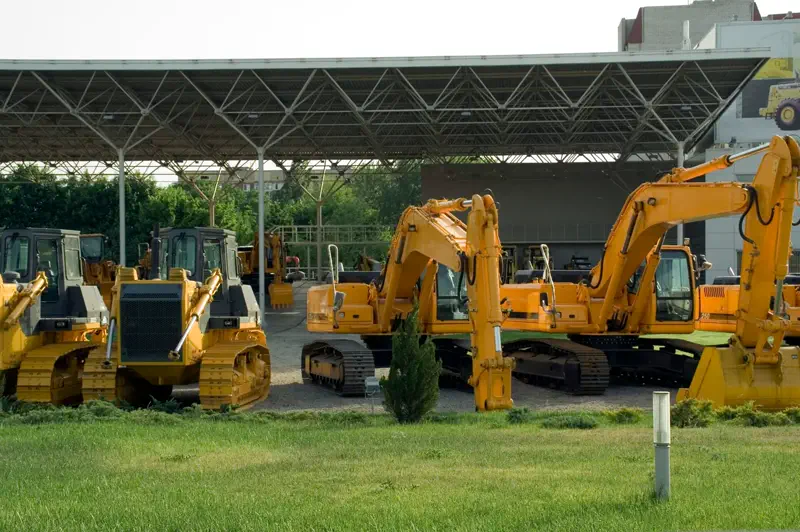
A yard fuel audit lines up bulk tank tickets with the machines and trucks you can locate. AxleLens offers that audit as part of the fuel audit. Each ticket is labeled verified, needs review, or cannot be verified. Card swipes stay in their own file. A person still decides.

You grant the read. You can revoke it. I do not need write access to a TMS, a card admin, or a telematics coaching queue. I will not shut off a card, change a limit, or edit a duty status. If the only seat you can spare is an admin seat, we find a narrower path or we stop.
Setup on your side is usually under an hour. A read-only user on Samsara, Motive, Geotab, or Verizon Connect. A ticket log you already keep. A unit list, including the seasonal changes. A card export if retail fuel sits in the same week, so the two files do not get blended by accident. The read-only access guide is the longer version of this promise.
Nothing writes back. Working copies are deleted within 30 days unless you ask to keep a finding pack. That is the same rule as the rest of the fuel work. The yard audit does not get a special vault and it does not get a special write path.
The clock starts the day access is in place, not the day of the first call. Two weeks later you have a Monday-style report, a short daily list, and a walkthrough. The Monday report is the same inbox shape you already see on this site: spend, what was verified, what needs a person, and what cannot be checked. Yard gallons sit in their own lines so they do not cancel a card miss, or hide inside one.
Managers get the tickets that failed the match, each with a reason and an owner. The person who owns the numbers gets the week. I do the analysis. Your team does not take on a new login. If the list is longer than a person can finish before noon, the rule is too loose and I tighten it with you.
After the two weeks, the same read-only layer can keep reading new tickets if you want it. That is the fuel audit staying live, not a second product. If you stop, you keep the findings and you pull the keys. I do not quote a monthly fee on this page.
Three sources show up in the same shop and answer three different questions. A yard ticket proves gallons left a tank you own. A fuel card export proves gallons were bought at a merchant. A tank level sensor, when it is honest, can support a rise or a drop on one machine. None of those three, by itself, finishes the match.
I use each source for what it can prove. I do not ask a card swipe to explain a yard hose. I do not ask a jumping sender to clear a driver. I do not ask a ticket with no time to do the work of a locator ping. The table is the short form. The tank sensor guide is the longer form on the third column.
| Source | What it proves | What it cannot prove |
|---|---|---|
| Yard tickets | Gallons left a tank you own, often with a written unit and a time | That those gallons met that machine |
| Fuel card export | Gallons bought at a merchant, a keyed unit, a price, a product | That a company vehicle was at that pump |
| Tank level sensor | A rise or drop that fits the gallons, when the sender is stable | A fill, or a theft, when the sender jumps |
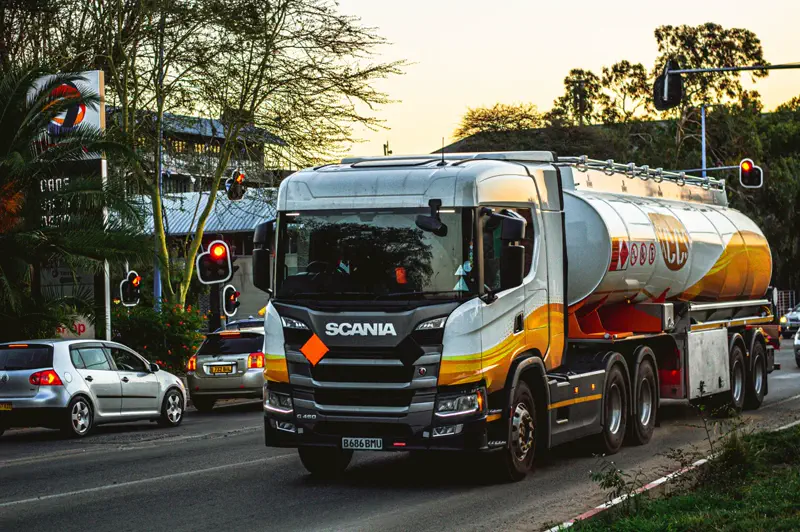

Bring the files you already have. Do not send a ticket book through the website form. The contact form is how I reach you. The files move later, through keys you control, if we start. Fifteen minutes is enough to say whether a yard week is even worth the access.
What I look for
A day-only ticket leaves more fills unverifiable. I will say so.
A unit I can place, or a mapping for the number on the page.
Someone who can finish a short list. I do not close rows to look decisive.
Short answers
No. I read the tickets and locators you already have. You do not install a yard pump, a tank monitor, or a new login for the shop.
No. I put the ticket and the locator in front of a person. A missing machine is a reason to look, not a finished case. A person still decides.
Then there is no yard file to match. I can still run the card side of the fuel audit. I will not invent tickets from a tank drop.
Two weeks from the day access is in place. Setup on your side is usually under an hour. The first call does not start the clock.
Samsara, Motive, Geotab, and Verizon Connect. Relay, WEX, Comdata, EFS, and Corpay. If you run something else, we start from a sample export.
Fuel card fraud is how fleets detect unauthorized card use. That guide sits next to every fuel page here.
Next step
15 minutes. Yard tickets, locators, and whether a two-week audit is worth the access. I reply within one business day.