
A named lane
I-numbers, yards, and truck-stop areas around Los Angeles and the Inland Empire, not a national average.
Home / Locations / LA / Inland Empire
Los Angeles and the Inland Empire trucking fleets
Updated 2026-11-16
Los Angeles and Inland Empire trucking fleets audit fuel by matching each card swipe to GPS on the tractor that was supposed to take it. I-5, I-10, I-15, and CA-60 already hold the merchants. San Pedro Bay, Ontario, Fontana, and San Bernardino already hold the pings. The audit names gallons that did not meet a truck.
Los Angeles and the Inland Empire are one freight machine: ports on the water, warehouses inland. I read the card and the GPS you already pay for. I-15 to Vegas is not a San Pedro dwell.
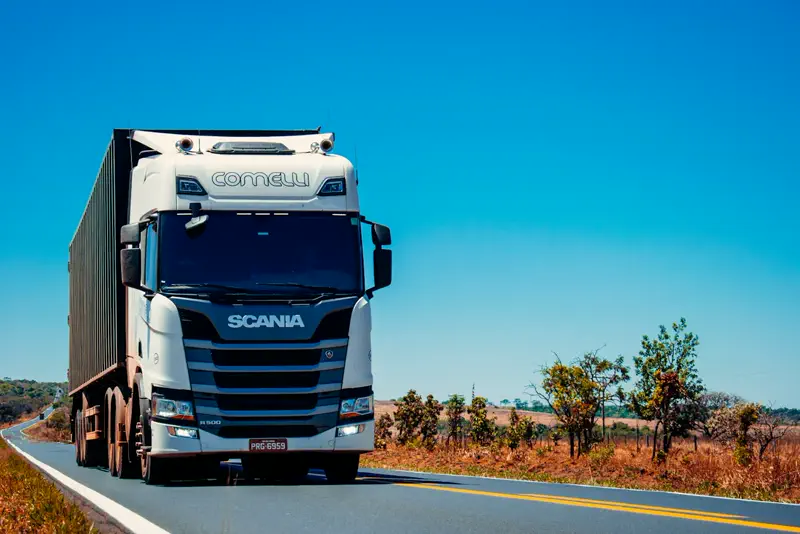
Los Angeles and Inland Empire trucking fleets already buy diesel on I-5, I-10, I-15, I-710, CA-60, and at Ontario. They already ping GPS around Wilmington, Carson, Commerce, Fontana, San Bernardino, and Riverside. The leak is the gap between those files. The water is San Pedro Bay. The warehouses are Ontario, Fontana, and San Bernardino. They are one week.
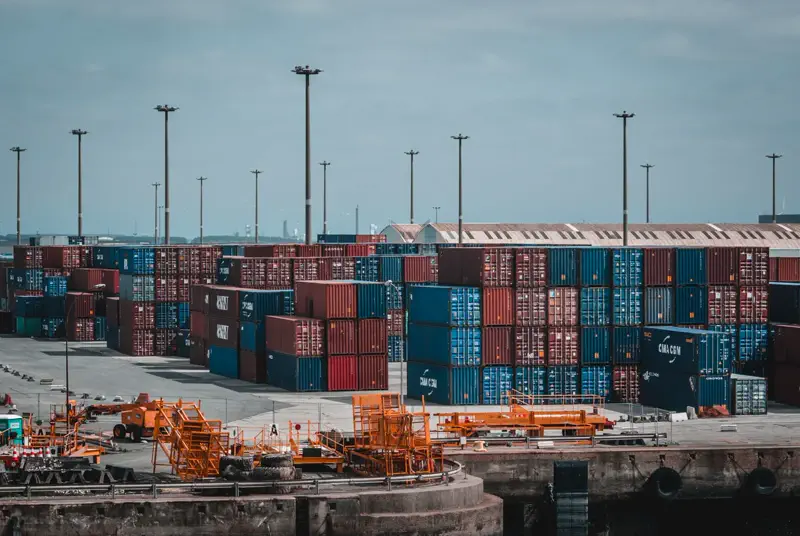
Los Angeles and the Inland Empire work as one freight machine. Boxes land at the Port of Los Angeles and the Port of Long Beach in San Pedro, Wilmington, and Long Beach. They run I-710 through Carson and Commerce, then I-10 or CA-60 into Ontario, Fontana, Rancho Cucamonga, San Bernardino, and Riverside. A tractor can dwell at the port, fuel in Ontario, and never enter downtown Los Angeles.
Vernon, Commerce, and the east LA industrial belt sit between the water and the Inland Empire. BNSF Hobart and UP ICTF are the close-in rail names. BNSF San Bernardino and UP West Colton are the inland rail names. Treating every gallon as 'Los Angeles' hides Fontana, hides the Grapevine, and hides a Nevada fill on I-15.
I-15 through Devore and Hesperia is the High Desert and Nevada door. I-5 through the Grapevine is the north-south through-fuel. I-215 wraps San Bernardino and Riverside. I-210 wraps the San Gabriel Valley. Those are not I-710. Name the pavement.
AxleLens is AI consulting on the systems a Los Angeles and the Inland Empire fleet already runs. I line the card, the GPS, and the TMS up. I do not sell a new card program. The fuel audit is the same job. The map is what changes.
Los Angeles and the Inland Empire fuel happens on named pavement. The table is the map. If you know those names, you already know where swipes cluster. The audit is whether the tractor was there.
I-710 is the port freeway. Wilmington, Carson, and the San Pedro Bay terminals sit on it. A port dwell does not explain an I-10 Ontario swipe. I-10 is the port-to-Inland Empire and Arizona river. Ontario and Fontana truck-stop areas catch that inland fuel. If GPS still has the tractor in Wilmington, the Ontario gallon is a review.
CA-60 through Commerce, Pomona, and Riverside is the warehouse freeway south of I-10. It is not I-10. I-15 through the Inland Empire, Devore, and Hesperia is the Nevada lane. A Hesperia fill during a Fontana dwell is the Inland Empire version of a Baldwin fill during Blount Island dwell.
I-5 through the Grapevine is through-fuel that looks nothing like a Long Beach terminal. I-215 and I-210 are belts. Short hops, typed units. BNSF Hobart, UP ICTF, BNSF San Bernardino, and UP West Colton need tickets split from I-10 and I-15 retail.
Arizona on I-10 east and Nevada on I-15 north are the neighbor jurisdictions. California special diesel on the IFTA matrix is not those rates. Match the tractor in Ontario or Fontana first. File later.
| Corridor or yard | What fleets use it for | Fuel pattern to watch |
|---|---|---|
| I-710 and the San Pedro Bay port complex | Ports of Los Angeles and Long Beach, Wilmington, Carson | Port dwell vs an I-10 Ontario swipe |
| I-10 through downtown LA, Ontario, Fontana, and the desert | The port-to-Inland Empire and Arizona door | Ontario or Fontana fills while the tractor is still in Wilmington |
| I-15 through the Inland Empire, Devore, and the High Desert | Nevada lane and north Inland Empire freight | Hesperia or Devore swipes during a Fontana dwell |
| CA-60 through Commerce, Pomona, and Riverside | East-west warehouse freight south of I-10 | CA-60 fills keyed to an I-710 port tractor |
| I-5 through the Grapevine and the LA basin | North-south through-fuel | Grapevine truck-stop fills on an Ontario tractor |
| I-215 and I-210 | San Bernardino, Riverside, and San Gabriel Valley belts | Belt mixups, wrong unit numbers |
| BNSF Hobart, UP ICTF, BNSF San Bernardino, UP West Colton | Los Angeles and Inland Empire intermodal | Rail dwell mixed with I-10 and I-15 retail cards |
Los Angeles and the Inland Empire sits in California, an IFTA jurisdiction. A qualified motor vehicle files one quarterly return with its base jurisdiction. The IFTA, Inc. 4th quarter 2026 matrix, updated November 5, 2026, lists special diesel for California at $0.9790 per gallon. Neighbor rates: Arizona ($0.2600), Nevada ($0.2700). That matrix is not final until December 4, 2026. Check it before you file.
California special diesel on the IFTA matrix is $0.9790 per gallon. Arizona, the I-10 neighbor, is $0.2600. Nevada, the I-15 neighbor, is $0.2700. Los Angeles and Inland Empire fleets feel the California rate on every local gallon and the Arizona or Nevada step on through-fuel.
California footnote 1 on the matrix is about DME, LNG, CNG, and alcohol blends, not a diesel holiday. Current special diesel is $0.9790. I will not break that IFTA rate into a homemade stack of state programs. Check the matrix before you file. It is not final until December 4, 2026.
IFTA miles and card gallons are different files. Neither proves the gallon entered the tractor that ran those miles. That is why a fuel audit sits in front of IFTA prep. I do not file the return. Federal diesel excise is $0.244 per gallon under 26 U.S.C. 4081. Do not add it to the IFTA rate and call it a finding.
| Fact | Detail | Source |
|---|---|---|
| California special diesel (IFTA) | $0.9790 per gallon | IFTA, Inc. 4th quarter 2026 matrix, updated November 5, 2026 |
| Arizona special diesel (IFTA) | $0.2600 per gallon | IFTA, Inc. 4th quarter 2026 matrix |
| Nevada special diesel (IFTA) | $0.2700 per gallon | IFTA, Inc. 4th quarter 2026 matrix |
| Qualified motor vehicle | Two axles over 26,000 lb GVW, or three or more axles, or a combination over 26,000 lb | IFTA Articles of Agreement |
| Filing cadence | One quarterly return with the base jurisdiction | IFTA, Inc. |
| Matrix status | Updated November 5, 2026. Not final until December 4, 2026. Check before you file. | IFTA, Inc. tax rate matrix |
| IFTA and federal rule | What it says | Source |
|---|---|---|
| What IFTA is | 48 contiguous U.S. states and 10 Canadian provinces. One quarterly return with the base jurisdiction. | IFTA, Inc. |
| Qualified motor vehicle | Two axles over 26,000 lb GVW, three or more axles, or a combination over 26,000 lb. | IFTA Articles of Agreement |
| Not IFTA jurisdictions | Alaska, Hawaii, and the District of Columbia are not members. Mexico is not an IFTA jurisdiction. | IFTA, Inc. |
| What the return uses | Miles in each jurisdiction, taxable fuel used, and tax-paid gallons bought there. | IFTA, Inc. |
| Federal diesel excise | $0.244 per gallon, separate from the IFTA jurisdiction rates. | 26 U.S.C. 4081 |
If you know the lane, you know where the fuel story usually breaks. This is not a ranking of truck stops. It is a map of which pile a miss usually belongs in.
If you already know Wilmington, you already know port dwell. If you already know Ontario, you already know I-10 inland fuel. If you already know Fontana, you already know warehouse dwell. If you already know Devore, you already know I-15. Los Angeles and Inland Empire dispatchers need those kept apart.
| If you run this lane | Compare this fuel pattern | Who usually owns the list |
|---|---|---|
| I-710, Wilmington, Carson | San Pedro Bay dwell vs an Inland Empire swipe | Operations |
| I-10 Ontario and Fontana | Port-to-warehouse through-fuel vs a Long Beach tractor | Operations |
| I-15 Devore and Hesperia | Nevada-lane gallons on a Fontana unit | Operations plus finance after the match |
| CA-60 Commerce to Riverside | Warehouse freeway fills keyed to an I-710 unit | Dispatch |
| I-5 Grapevine | North-south through-fuel on an Ontario tractor | Operations |
| I-215 and I-210 | San Bernardino, Riverside, and San Gabriel mixups | Dispatch |
| Hobart and ICTF | Close-in rail vs I-710 cards | Site plus shop |
| San Bernardino and West Colton | Inland rail vs I-10 and I-15 retail | Site |
The card statement for a Los Angeles and the Inland Empire week can look clean. Fraud, a typed unit, a yard hose, and a dead sender all post as gallons. I keep those piles apart. I do not publish a leak rate I cannot prove.
Los Angeles and Inland Empire patterns are port dwell, I-10 warehouse fuel, and I-15 through-fuel. Mixing those is how an Ontario swipe becomes a San Pedro rumor.
Example only. Names and figures changed. WEX row, I-10 Ontario, 85 gallons at 00:33, keyed unit 2177. Samsara put 2177 in Wilmington. Tank flat. Action: Rafael M. pulls receipts. That is a Los Angeles and Inland Empire review.
I-15 is the Nevada door. A Hesperia merchant is still California if the pump sat there. It is not proof unit 2177 left Fontana. GPS decides. Nevada IFTA cents decide later if the tractor actually crossed.
Example only. Names changed. Sofia Q. keyed 4601 on CA-60 in Commerce and drove 4610 out of Carson. Both tanks yours. Los Angeles dispatch owns the habit.
San Pedro Bay terminals, Hobart, ICTF, San Bernardino, and West Colton can keep bulk fuel. Split those tickets from Ontario and Fontana retail. One Los Angeles total is how both a yard miss and an I-10 miss hide.
Assess, connect, automate, improve. What changes in Los Angeles and the Inland Empire is which card, which GPS, whether the yards keep tickets, and who can finish a short list before noon.
Say whether the week is San Pedro Bay, I-10 Inland Empire warehouses, or I-15 through-fuel. Mixed is the usual Los Angeles and Inland Empire week. Port tractors and Fontana warehouse tractors need to be in the same GPS read.

A WEX, Fuelman, Comdata, or EFS row is a purchase. A Samsara, Motive, or Geotab ping is a place. An IFTA schedule is miles. A yard ticket is product that left a tank you own. Treat them as four proofs.
| File | What it can prove in Los Angeles and the Inland Empire | What it cannot prove |
|---|---|---|
| Fuel card export | A purchase with gallons, time, merchant, and a keyed unit | That a company tractor was at that island |
| Telematics | Where the assigned unit was at that minute | The price, the product code, or a typed truck number |
| IFTA / mileage | Jurisdiction miles through California and the neighbor states on the table | That every card gallon actually entered a fleet tank |
| Yard tickets | Gallons that left a bulk tank the fleet owns | That those gallons met the machine on the ticket |

Los Angeles and Inland Empire yard fuel lives at the ports, at Hobart and ICTF, at San Bernardino and West Colton, and at Ontario and Fontana warehouse tanks. Wet-hosing risk is gallons that left and did not meet a machine you can locate.
A yard audit here is fuel, not a terminal gate check at San Pedro Bay. Card swipes stay in their own file.
We can also run a yard fuel audit on the same data. Card swipes stay in their own file. I do not install a yard pump.
Example only. Unit 2177, Rafael M., I-10 Ontario, 85 gallons, GPS in Wilmington. Review.
Example only. Sofia Q. keyed 4601 on CA-60 and drove 4610. Dispatch.
Example only. Fontana warehouse ticket, 37 gallons, locator on I-15. Yard review.
No Los Angeles or Inland Empire savings figure lives here. Rows still use three piles.
Do not send card files through the website form. The contact page is how I reach you. Fifteen minutes is enough to say whether a Los Angeles and the Inland Empire week is worth the access. The fuel loss calculator uses only the numbers you type. It is not an AxleLens finding.
What I look for
I-numbers, yards, and truck-stop areas around Los Angeles and the Inland Empire, not a national average.
Swipe, tractor, and time. A typed unit is not a location.
Someone in the shop who can finish a short list. I do not close rows to look decisive.
Short answers
Yes. The freight is one machine: San Pedro Bay to Ontario, Fontana, San Bernardino, and Riverside. I still name the pavement. A Wilmington ping is not an I-15 Hesperia alibi.
I-710, I-10, I-15, I-5, I-215, I-210, CA-60, the Ports of Los Angeles and Long Beach, Hobart, ICTF, San Bernardino, West Colton, Ontario, Fontana, Riverside, and Carson.
The IFTA, Inc. 4th quarter 2026 matrix lists California special diesel at $0.9790 per gallon. Arizona is $0.2600. Nevada is $0.2700.
Only if GPS puts the tractor at that pump. San Pedro wait is not an I-10 alibi.
Then the merchant may be Arizona at $0.2600 on the same IFTA matrix. I still match the swipe to the tractor first. I do not file the return.
No. Access is read-only. The list comes to a person.
No. I tell you which gallons are safe to hand a preparer.
Two weeks from access. Setup on your side is usually under an hour.
Next step
15 minutes. Tractor count, card, GPS, and whether a two-week read of your Los Angeles and the Inland Empire week is worth the access. I reply within one business day.