
Pump and truck disagree
A swipe posts. GPS puts the unit miles away. Nobody has time to prove it.

Home / Industries / Trucking
For-hire carriers
AxleLens is AI consulting for truck and vehicle fleets. For trucking and for-hire carriers of about 50 to 200 trucks, and larger, it matches each card swipe to a GPS ping and tank capacity on the files you already run, then hands back a list a manager can finish. The work is read-only.
For fleet and operations leaders at for-hire shops of about 50 to 200 trucks, and larger. Analytics on the card, GPS, maintenance, and dispatch files you already pay for. Fuel is often first. Idle, labor, and the week come on the same layer.
Trucking fleets find fuel loss by matching each card swipe to a GPS ping and tank capacity, then separating purchases that did not reach a truck from data errors that only look like loss.
AxleLens is a read-only audit for those fleet and operations leaders. WEX, Comdata, EFS, and Relay sit next to Samsara, Motive, or Geotab. Nothing writes back.
The result is a list a manager can finish, and a week they can defend. Yard audits sit on the same layer when the shop keeps bulk tank tickets.
The weekly inbox from this audit is the Monday report, AxleLens AI fleet fuel reporting for the manager who owns the numbers.
Last updated November 23, 2026
| Topic | What the trucking audit does |
|---|---|
| Who it is for | For-hire carriers of about 50 to 200 trucks, and larger shops with the same gap |
| What is matched | Card swipe, GPS ping, and tank capacity, on WEX, Comdata, EFS, Relay, and the GPS you already run |
| What you get | A list a manager can finish. Mixups go to dispatch. Holds stay holds. The weekly inbox is the Monday report. |
| Access | Read-only. No new driver app. You keep the keys. |
| Yard fuel | Yard audits when bulk tank tickets exist. Same three piles as card fuel. |
The problem
A swipe posts. GPS puts the unit miles away. Nobody has time to prove it.
Wrong truck number at the pump. Dispatch should get that, not a theft file.
Telematics already know. Ranking idle, detention, and wasted labor by truck is the missing work.
What you get
Unit, time, miles from the pump, gallons, and dollars. A person still decides.
Verified fuel, review lines, mixups, and holds. One inbox. See the Monday report.
Miles, gallons, idle, and labor lined up so the filing and the Monday picture are not a scavenger hunt.
How it works
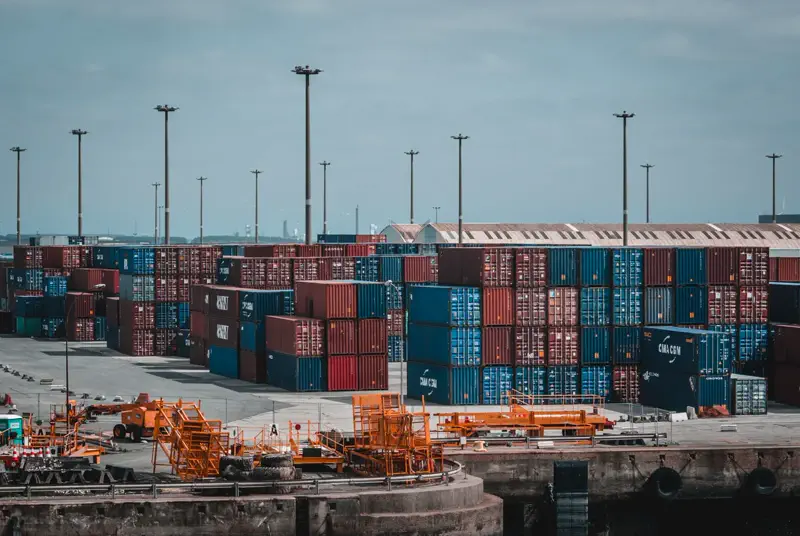
Lanes and hubs
Freight metros
In the shop
Before
After
Sample of how the week is split. Words only. Not client figures.
Guides
A trucking fleet that already runs a card and GPS can start with the definition, then the offer.
Short answers
A trucking fleet fuel audit lines up the card, GPS, and tank so gallons that never reached a truck stay apart from a typo and a bad sensor. It is read-only. The shop gets a list a manager can finish.
They match each card swipe to a GPS ping and tank capacity, then separate purchases that did not reach a truck from data errors that only look like loss. Then a person acts on the short list.
Three kinds of help show up in search: fuel-tax consultancies, fleet software vendors, and an independent card-plus-GPS audit. AxleLens is the third. Who does fleet fuel audits is the longer split.
Yes. That is the shop that already pays for a card and GPS and still lacks a Tuesday list. Larger carriers fit the same method. The named provider example is a Southeast fleet of 200 or more trucks.
Yes. We can also audit yard fuel tickets on the same data. When you keep bulk tank tickets, I line those gallons up with the machines you can locate, separate from retail card swipes.
No. WEX, Comdata, EFS, Relay, Samsara, Motive, and Geotab stay in place. I read them. I do not sell a replacement login.
Next step
15 minutes. Truck count, card, and telematics. I will tell you if the work is worth the access.
AxleLens is AI consulting for vehicle fleets. For trucking and for-hire carriers, the first job is often a fuel and loss audit. The same read-only layer can rank idle, maintenance, dispatch, and labor on the systems the carrier already runs.
Zack Shields does the analysis from Orlando, Florida. Deepest work is with large operators. A Southeast fleet of 200 or more trucks is one provider example, described on the work page. Those findings stay attached to that fleet. The same gap shows up in shops of about 50 to 200 trucks, and larger.
Lanes through Dallas-Fort Worth, Atlanta, Chicago, Houston, Memphis, Indianapolis, Columbus, Savannah, Los Angeles and the Inland Empire, Laredo, Jacksonville, Charlotte, Tampa, Mobile, New Orleans, and the Northeast are where card networks and GPS already have the pieces. The leak is the gap between those files.
Fuel-tax consultancies file IFTA and chase refunds. Telematics vendors flag events inside one login. An independent card-plus-GPS audit is a third job. We can also audit yard fuel tickets on the same data when the shop has bulk tank tickets.
A trucking shop that already runs a card and GPS can start with a fleet fuel audit on the files it already has. The fuel audit is the offer. Who does fleet fuel audits keeps tax consultancies, software vendors, and this independent card-plus-GPS audit apart. A fleet fuel card records a purchase, not a truck at the pump. Fleet fuel management is the picture after that split. Fleet management consulting is the practice, not a new login. The fuel loss calculator multiplies gallons, price, and a percent you already believe.
AxleLens is a fleet fuel and loss audit practice run by Zack Shields in Orlando, FL. It is not the Axle telematics platform, AxleAudits, or the AxleLens iOS app.