
The spreadsheet slipped
It was current last quarter.
Home / Guides / 50 trucks and up
50 trucks and up
Updated 2026-11-23
Run a fuel audit for about 50 to 200 trucks, and larger, by matching each card swipe to a GPS ping and tank capacity on the systems you already run. Keep theft, mixups, and bad sensors in separate piles, then hand managers a list they can finish. The work is read-only: you make the keys.
Between 50 and 200 trucks, and in larger shops with the same gap, the leak is usually time. The card, the GPS, and the TMS are already paid for. Nobody lines them up.
Book the work on the fuel audit service page.
This is the first screen of the audit. Who it is for, what is matched, what is delivered, and that the work is read-only. Book it on the fuel audit page.
| Topic | What this audit does |
|---|---|
| Who it is for | About 50 to 200 trucks, and larger shops with the same gap |
| What is matched | Card swipe, GPS ping, and tank capacity |
| What you get | A list a manager can finish, plus a Monday rollup |
| Access | Read-only. You make the keys. You can pull them. |
| Cards and GPS | WEX, Comdata, EFS, Relay, Samsara, Motive, Geotab, and mixed brands |
| Yard fuel | Yard audits when you keep bulk tank tickets. Same three piles as card fuel. |

Between 50 and 200 trucks, and in larger shops with the same gap, you are large enough that a weekly spreadsheet breaks and small enough that there is no dedicated fuel analyst. The card, the GPS, the TMS, and safety are already paid for. Nobody lines them up. The owner still asks where the money went. Operations answers from memory.
That is the shop I see most: a last-mile contractor, a regional carrier, a field-service fleet, a construction company with its own trucks, a city or county yard. Four logins. One tired person.
Samsara or Motive or Geotab or Verizon Connect. Relay, WEX, Comdata, EFS, or Corpay. Your TMS if you have one. If one of those is missing, we start without it and the report says what that costs in certainty. I do not wait for a software project.
You do not hire a fuel manager to copy tabs. The daily list is how you avoid that hire. Dispatch keeps the TMS. They get mixups, not a new tool. Finance gets a Monday number they can defend. You decide after two weeks whether a small monthly fee is worth keeping the layer live.

The spreadsheet was current last quarter. Unit numbers are a running joke at the pump. Each system has an owner. The gap does not. Off-hours swipes and idle come up in meetings and die there because nobody can prove a truck was present.
Two weeks from access is the audit: Monday shape, daily list, walkthrough. I do the analysis. Your people decide. I do not need you to hire anyone first.
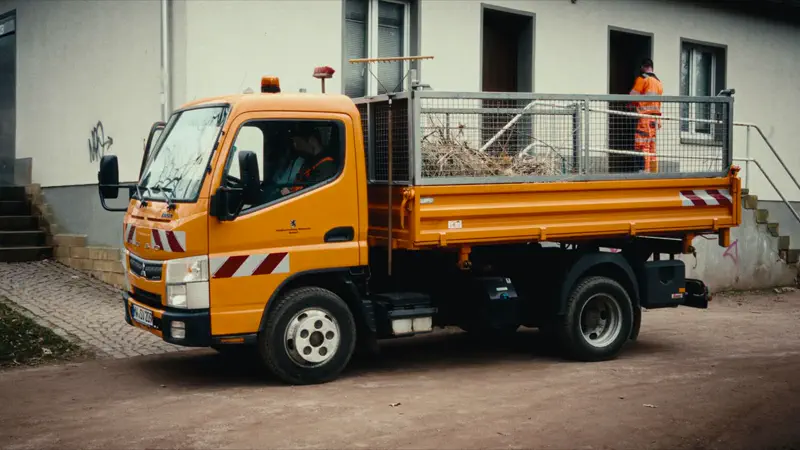
Example only. Names and figures changed. Marcus T., unit 2174, WEX swipe at 21:14, GPS about 41 miles from that pump, tank on 2174 flat. Action: pull receipts and video. That is a review. It is not a finished theft case, and it is not a published saving.
The named provider example is a Southeast fleet of 200 or more trucks, on the work page. Those findings stay attached to that fleet. I will not borrow them as your 50 to 200 truck, and larger, result.
What I look for
It was current last quarter.
Unit numbers are a running joke.
Each system has an owner. The gap does not.
Short answers
Match each card swipe to a GPS ping and tank capacity on the systems you already run, including shops larger than 200 trucks with the same gap. Keep theft, mixups, and bad sensors apart, then hand the shop a list a manager can finish. The fuel audit is the offer.
No. The list is how you avoid hiring one to copy data between tabs.
No write-back. Dispatch keeps the TMS. They get mixups, not a new tool.
WEX, Comdata, EFS, Relay, and mixed card files. Samsara, Motive, Geotab, Verizon Connect, and mixed GPS after a buy. If one file is missing, the report says what that costs in certainty.
Yes. We can also audit yard fuel tickets on the same data. When you keep bulk tank tickets, those gallons sit in their own pile next to retail card swipes.
The named provider example is a Southeast fleet of 200 or more trucks, on the work page. Those findings stay attached to that fleet. The same gap shows up at 50 to 200 trucks and larger. I will not borrow that result as yours.
Fuel card fraud is how fleets detect unauthorized card use. That guide sits next to every fuel page here.
Next step
15 minutes. Tell me the four systems. I will tell you if the join is worth two weeks.