
Nobody matches today
The statement is paid and never checked against a truck.

Under 50 trucks, the owner or the dispatcher usually is the fuel desk. I will not hand a 20-truck shop a process built for a staff of analysts. The list has to be short enough that one person can finish it between loads.
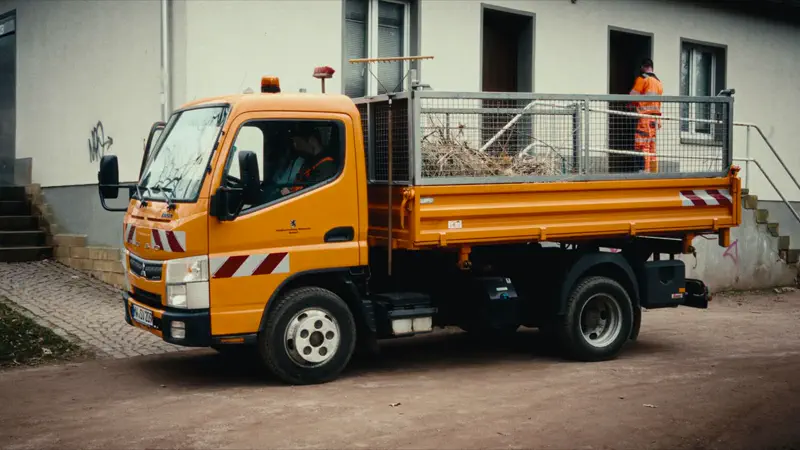
You may not have a TMS. You still have a card, a GPS, and somebody keying a unit at the pump. That is enough to lose money and enough to check. Delivery vans, service trucks, a few dump trucks, or a municipal small fleet all fit that shape. If the shop is closer to 50 trucks and up, the mid-size fleet guide is the version of this audit at that size.

The Southeast proof point is a fleet of 200 or more. I will not pretend a smaller fleet saves the same dollars. If the spend cannot support the work, I will say so before you start. A honest no is a successful call.
The setup is still light. Read-only access. Usually under an hour on your side. Two weeks from that access for the first report. No new software for drivers. One card and one GPS is easier, not harder.

Most fills matched and quiet. A handful of open rows. Often one habit (the same wrong unit) is the whole leak. A single unmatched card is easier to see when the file is small. That is the point of a short list, not a dashboard.
What I look for
The statement is paid and never checked against a truck.
If that person is out, fuel questions stop.
If fuel is a top cost, a short audit is rational even without 200 trucks.
Short answers
No published minimum. If the spend cannot support the work, I will say so before you start.
If you pay for their fuel, they are in the match. If you do not, they are out.
Fuel card fraud is how fleets detect unauthorized card use. That guide sits next to every fuel page here.
Next step
15 minutes. A honest no is a fine result.