
Mixups
The ask at the pump: enter the unit you are driving.

Operations
Updated 2026-11-23
If you run the fleet day to day, you do not need another dashboard. You need the fills that are your problem and a clear pass on the ones that are not.
If you run the fleet day to day, you already have a morning. Fuel should arrive as a short list: mixups for dispatch, open fills for a named reviewer, sensors for the shop. It should not arrive as another portal, another export, or a meeting to decode a chart.
I do the analysis. Your team does not take on a new login. The list arrives. A person acts. If the list is longer than a person can finish before noon, the rule is too loose and I tighten it with you.
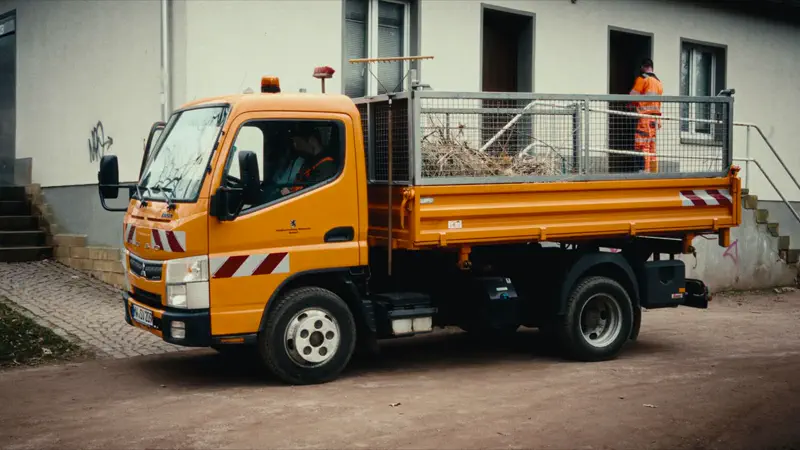
A keyed unit with fuel in a company tank is a dispatch coaching line. The sentence is simple: enter the unit you are driving. Sending that row to a theft review wastes the only hour your supervisors have.
A truck tens of miles from the pump, with no tank rise, is not a coaching line. It is a look at receipts and video. The label on the row is what keeps those hours straight. Operations owns the habit. A reviewer owns the miss. The shop owns the sensor.
Unit, time, merchant, gallons, dollars, distance from the assigned vehicle, tank movement if the sensor is usable, and one action. Dana R. keyed 3308 and drove 5126. Ask drivers to enter their own unit at the pump. That is a habit line. It is not a character study.
A second line: Marcus T., unit 2174, GPS about 41 miles from a stop in Columbia. Pull receipts and video. That is a review line. It is not a conviction. Those two shapes should never share a spreadsheet tab.

The Southeast engagement took about six hours a week of reporting off the table once the match existed. That figure belongs to that fleet. The aim for you is the same: less gathering, more deciding. Last-mile, field, construction, and municipal shops get the same split. The vehicles change. The morning list does not need a new name.
What I look for
The ask at the pump: enter the unit you are driving.
The short list that needs a receipt or a conversation.
Sensors go to the shop. Money questions go up on Monday.
Short answers
They need to read a short list. They do not need a new system certification.
Yes. Tell me who that is. I will not invent a new meeting.
Fuel card fraud is how fleets detect unauthorized card use. That guide sits next to every fuel page here.
Next step
15 minutes with whoever already chases fuel questions. I will tell you if the audit fits the way you run.